
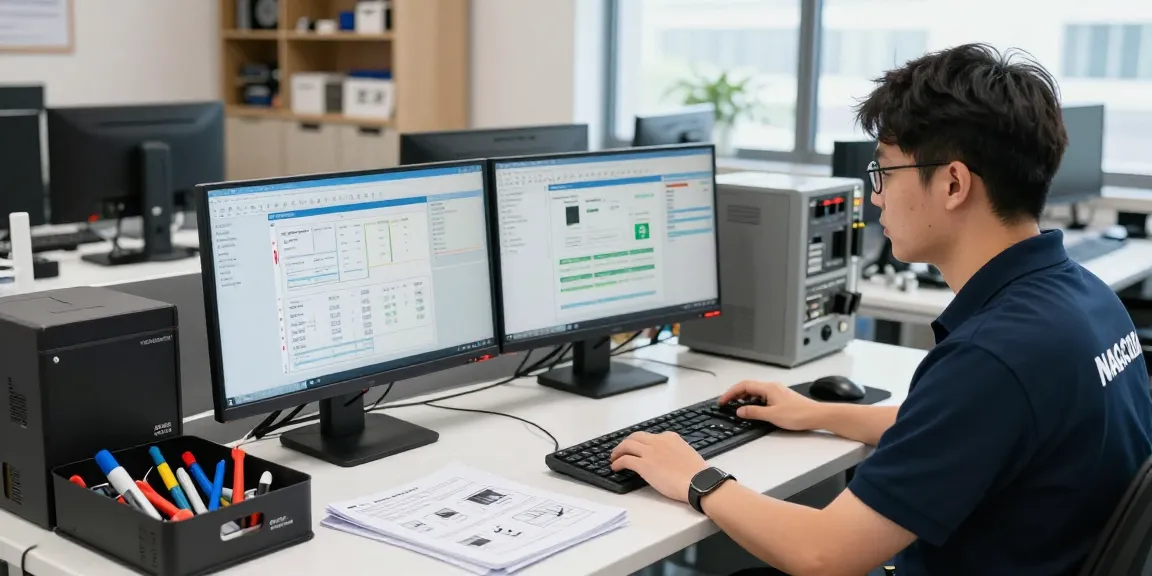
Understanding NAGA2000: A Technical Overview
The NAGA2000 is an advanced technological solution designed to streamline operations across various industries. Built with precision engineering and robust software capabilities, it addresses specific needs in efficiency, reliability, and performance. This article explores the intricacies of the NAGA2000, including its key features, common challenges faced with support, maintenance best practices, real-world applications, and future technological trends. By diving into the depths of this technology, users can gain valuable insights to enhance their operational strategies and improve overall productivity. For more detailed information about this innovative technology, see NAGA2000.
What is NAGA2000?
NAGA2000 is a state-of-the-art piece of equipment primarily used in manufacturing and automation sectors. It integrates advanced sensors, high-performance actuators, and sophisticated software algorithms to optimize processes and enhance user interaction. With its modular design, the NAGA2000 can be tailored to meet specific operational requirements, making it a flexible choice for diverse applications.
Key Features and Specifications
- Modularity: Allows for easy upgrades and customization based on user needs.
- Real-time Data Analytics: Capabilities to provide immediate feedback and analysis for decision-making.
- High Precision: Engineered for reliability, the NAGA2000 ensures consistent performance under various conditions.
- User-Friendly Interface: Designed with an intuitive interface to facilitate ease of use and quick training for new operators.
- Energy Efficiency: Incorporates technologies that reduce power consumption while maintaining high output levels.
Comparative Advantages Over Competitors
Compared to its competitors, the NAGA2000 stands out for several reasons. Its modularity allows businesses to adapt the system as they grow, while its real-time analytics provide actionable insights that help streamline operations. Furthermore, the NAGA2000’s energy-efficient design not only reduces operating costs but also supports sustainability initiatives, an increasingly important factor in today’s industrial landscape.
Common Challenges in NAGA2000 Support
Identifying Frequent Technical Issues
Despite its robust design, users may encounter several technical issues over time. Common problems include software glitches, connectivity issues, and hardware malfunctions. Identifying these issues early on is crucial for maintaining operational efficiency. Regular diagnostic checks and monitoring can help in recognizing patterns that indicate underlying problems.
Understanding User Misconceptions
Often, users harbor misconceptions about the capabilities and limits of the NAGA2000. Some might assume that all issues are hardware-related, overlooking the potential for software configurations to resolve many operational challenges. Education on system functionalities is vital, as it empowers users to troubleshoot effectively and utilize the technology to its fullest potential.
Strategies for Effective Troubleshooting
Implementing effective troubleshooting strategies is key to minimizing downtime. Users should document issues as they arise, conduct system resets when necessary, and utilize diagnostic tools provided by the manufacturer. Engaging with technical support promptly can also lead to quicker resolutions and restore normal operations.
Best Practices for NAGA2000 Maintenance
Routine Check-Up Procedures
Regular maintenance checks are essential for ensuring long-term performance. Developing a maintenance schedule that includes inspections of all critical components, such as sensors and actuators, can help identify wear and prevent larger system failures. This routine also involves software updates to keep the system running smoothly.
Preventive Maintenance Techniques
Preventive maintenance involves proactive measures such as cleaning, calibrating, and testing components before they fail. Creating a checklist that encompasses these activities can enhance reliability and extend the longevity of the NAGA2000 system.
Resource Management for Spare Parts
Effective resource management for spare parts ensures that necessary components are readily available when needed. Businesses should keep an inventory of commonly replaced parts and establish relationships with suppliers to minimize delays during repairs. This planning significantly reduces operational disruption.
Real-World Applications of NAGA2000
Case Studies in Various Industries
The versatility of the NAGA2000 is evident in various case studies across industries such as manufacturing, logistics, and healthcare. For example, a manufacturing company integrated NAGA2000 to automate its assembly line, resulting in a 30% increase in production efficiency. Similarly, a logistics firm utilized its capabilities to optimize warehouse operations, reducing package handling times by 20%.
Impact on Workflow Efficiency
Implementing the NAGA2000 has led to marked improvements in workflow efficiency across several sectors. By automating routine tasks, employees can focus on higher-value activities, significantly enhancing productivity levels and reducing the likelihood of human error.
Customer Testimonials and Feedback
Feedback from users has been overwhelmingly positive, with many praising its reliability and the support provided by the manufacturer. Customers report improved operational consistency and ease of use, highlighting the system’s role in transforming their businesses effectively.
Future Trends in NAGA2000 Technologies
Predicted Developments for 2026
Looking toward 2026, predictive analytics and machine learning are expected to play a crucial role in the evolution of NAGA2000 technologies. By harnessing these capabilities, future iterations of the system will offer even greater adaptability and smarter decision-making tools for users.
Integration with Emerging Technologies
The NAGA2000 will likely see integration with IoT devices and AI-driven systems. This will allow for enhanced data sharing and analytics, providing users with deeper insights into their operations and enabling more informed strategic decisions.
Opportunities for Innovation and Growth
The future holds significant opportunities for innovation in NAGA2000 technology. As industries continue to evolve, so too will the demands placed on these systems, driving advancements that could redefine operational success across sectors.
What are the key benefits of using NAGA2000?
The benefits of the NAGA2000 include increased efficiency, reduced operational costs, and enhanced reliability. Its ability to adapt to various applications allows businesses to remain competitive in rapidly changing markets.
How can technical support improve user satisfaction for NAGA2000?
Technical support plays a vital role in user satisfaction by providing quick resolutions to problems, ensuring that users can maximize the system’s capabilities without extended downtimes. Proactive communication from support teams can also enhance trust and confidence in the technology.
What trends should we expect in NAGA2000 technology by 2026?
By 2026, users can anticipate advancements in AI integration, predictive maintenance capabilities, and enhanced user interfaces that simplify operations and improve overall user experience.
What are effective troubleshooting methods for NAGA2000?
Effective troubleshooting methods include maintaining clear documentation of issues, engaging with technical support as soon as problems arise, and employing diagnostic tools to identify root causes quickly. Regular training on system functionalities can also empower users to troubleshoot effectively.
How does NAGA2000 compare to other similar technologies?
The NAGA2000 is renowned for its modularity and real-time analytics, which set it apart from many competitors. Its unique features and capabilities ensure that organizations can optimize their processes while adapting to new operational challenges without needing a complete overhaul.

