Understanding Rope Bridge Design Fundamentals
Rope bridges offer an elegant and functional solution for crossing obstacles in various environments, from forests to rivers. As a unique architectural feature, these structures blend craftsmanship with practicality, creating a passage that is not only useful but also visually appealing. In this article, we delve into the intricacies of Rope Bridge design, exploring the various elements that contribute to their engineering and aesthetic value.
What is a Rope Bridge?
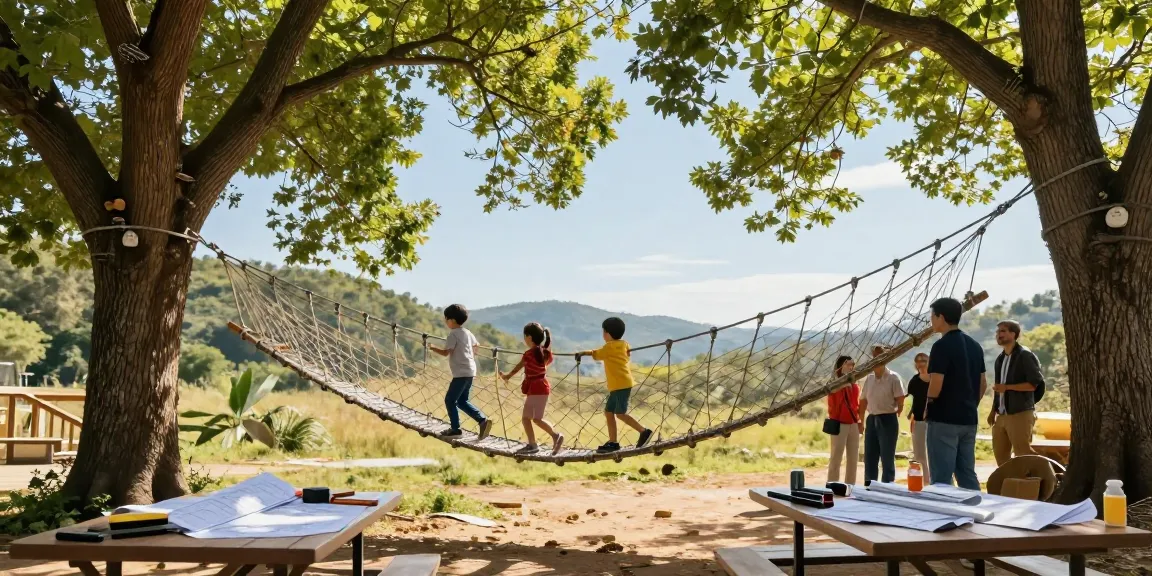
A rope bridge is a type of bridge that uses cables or ropes to support the walkway and provide stability during use. These structures can be suspended between two fixed points, such as trees or cliffs, and are often seen in wooded areas as a playful connection between treehouses or as practical pathways in rugged terrain. The flexibility and lightweight nature of rope bridges make them an excellent option for both pedestrian access and adventurous activities, such as hiking and trekking.
Key Materials Used in Rope Bridge Construction
The construction of a rope bridge requires careful selection of materials to ensure both safety and durability. Commonly used materials include:
- Ropes: High-tensile ropes made from synthetic fibers like nylon or polyester are preferred for their strength, durability, and resistance to environmental factors.
- Cables: Steel cables are often employed for suspension bridges, providing superior strength and support for heavier loads.
- Decking: Wooden planks or composite materials are typically used for the walking surface, offering both grip and comfort.
- Fasteners: Industrial-grade bolts, anchors, and clamps secure the components of the bridge, ensuring stability and safety.
Types of Rope Bridges: Overview and Benefits
Rope bridges come in various types, each with unique benefits suited to different situations:
- Suspended Rope Bridges: These bridges use cables to hang the walking surface, providing a flexible and lightweight structure ideal for spanning larger distances.
- Fixed-Beam Rope Bridges: A more rigid option, fixed-beam designs feature a solid frame that supports the deck without much movement, suitable for areas with more traffic.
- Log Rope Bridges: These incorporate logs as the primary walking surface, often used in rustic settings, offering a more natural aesthetic.
Design Considerations for Your Rope Bridge
When designing a rope bridge, several critical factors must be taken into account to balance aesthetics and functionality.
Aesthetic vs Functional Design Choices
A well-designed rope bridge should harmoniously blend with its surroundings while fulfilling its intended purpose. Aesthetic considerations include:
- Using natural materials that complement the environment.
- Incorporating artistic elements, such as decorative knots or patterns.
- Ensuring the bridge's shape and colour reflect the local landscape.
Functional choices might include the width of the walkway, the height of railings, and the type of fasteners used, all of which impact safety and user experience.
Safety Features Every Rope Bridge Should Have
Safety is paramount in the design of rope bridges. Essential safety features include:
- Guardrails: These help prevent accidents by providing a barrier along the sides of the walking surface.
- Weight Limits: Establishing clear weight limits is crucial to prevent overloading, which could compromise the bridge's structural integrity.
- Inspection Points: Regular maintenance checks should be integrated into the design to assess wear and tear on ropes and structural components.
Environmental Considerations in Bridge Design
Integrating environmental considerations into rope bridge design is essential for sustainability. Key aspects include:
- Minimising tree damage during construction.
- Using environmentally friendly materials that can withstand the elements without harming the ecosystem.
- Designing bridges to accommodate wildlife movement where applicable.
Building a Rope Bridge: Step-by-Step Guide
Constructing a rope bridge requires a careful approach to ensure safety and stability throughout the building process. Below is a comprehensive guide to help you through the construction.
Essential Tools and Materials
Before you begin, gather the following tools and materials:
- Tools:
- Materials:
Construction Process Breakdown
Follow these steps to construct your rope bridge:
- Design the Layout: Create a detailed plan of the bridge dimensions, including the span and height.
- Select Locations: Identify solid anchor points, such as trees or rocks, ensuring they are healthy and stable.
- Install Anchor Points: Securely fasten the cables or ropes to the chosen points, using reliable anchors that can withstand tension.
- Build the Decking: Lay down the wooden planks or composite material to form the walking surface, making sure it is level and secure.
- Attach Railings: Install guardrails on either side for added safety.
- Conduct Safety Tests: Before allowing use, ensure the bridge can support the intended loads safely, performing thorough inspections.
Common Challenges and Solutions During Construction
While constructing a rope bridge, you may encounter various challenges, including:
- Finding Suitable Anchor Points: Ensure you select healthy and stable trees or rocks; consider using additional support structures if needed.
- Weight Distribution: Pay attention to how weight is distributed across the bridge to prevent sagging or structural failure.
- Weather Conditions: Ensure your construction doesn’t take place during adverse weather, as strong winds or rain can affect safety.
Inspiration and Innovations in Rope Bridge Design
As technology and design philosophies evolve, so does the world of rope bridges. Innovations are constantly emerging, enhancing both their function and aesthetic appeal.
Case Studies of Successful Rope Bridge Projects
Examining successful rope bridge projects can provide insight into innovative designs and practical solutions:
- Sky Bridge in the Swiss Alps: A suspended bridge that combines panoramic views with a thrilling crossing experience, encouraging eco-tourism in the region.
- Treehouse Bridges in Urban Parks: Many parks are incorporating treehouse bridges to encourage children to engage with nature while ensuring safety through thoughtful design.
Trends in Sustainable and Creative Rope Bridge Designs for 2026
Looking forward, the trends in rope bridge design revolve around sustainability and creativity:
- Use of recycled materials that reduce environmental impact.
- Enhanced designs that blend art with engineering, creating visually stunning structures that tell a story.
- Incorporation of smart technology, such as load monitoring systems, to enhance safety and maintenance.
How Technology is Shaping Modern Rope Bridge Design
Technology plays a pivotal role in the design and construction of modern rope bridges. Key advancements include:
- 3D Modelling Software: This software allows for intricate design simulations, enhancing understanding of load distribution and structural integrity.
- Sensor Technologies: Sensors are being integrated into bridge designs to monitor stress and strain, ensuring safety and facilitating maintenance.
- Augmented Reality: AR is being used for visualisation of the bridge during development phases, helping teams visualise the final outcome better.
Frequently Asked Questions About Rope Bridge Design
How do I build a rope bridge?
Building a rope bridge involves selecting suitable materials, designing the layout, securing anchor points, and carefully constructing the deck and safety features. Thorough planning and safety checks are crucial.
What are the best materials for a rope bridge?
The best materials include high-tensile synthetic ropes, steel cables, durable wooden planks, and industrial-grade fasteners to ensure stability and safety.
What are the costs associated with rope bridge construction?
Costs vary greatly depending on design complexity, materials used, and labor. Basic projects may range from a few hundred to several thousand pounds, depending on the size and specifications.
Can rope bridges be designed for heavy traffic?
Yes, certain designs can accommodate heavier traffic by using more robust materials and construction techniques, such as fixed-beam designs or incorporating additional support.
What are the safety regulations for building a rope bridge?
Safety regulations typically involve ensuring the bridge meets local building codes, conducting regular inspections, and adhering to weight limits and safety feature requirements.