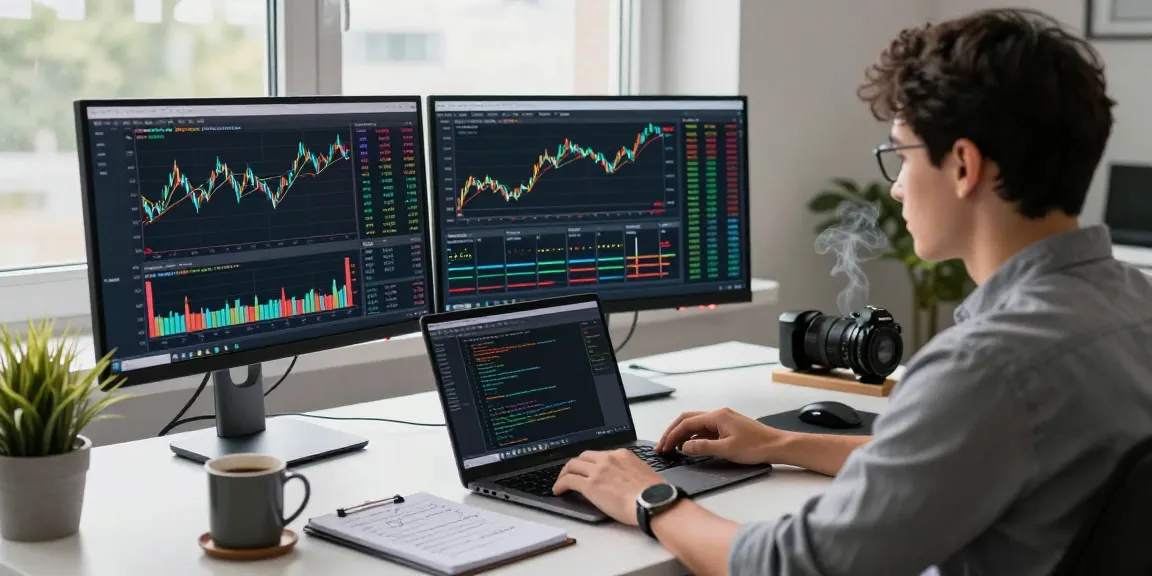
Understanding Silver Market Data Feeds
The silver market, characterized by its volatility and complexities, offers traders and investors a myriad of opportunities. A silver market data feed is crucial for anyone looking to capitalize on market trends and fluctuations. Understanding these feeds allows traders to access real-time information that can impact their trading strategies significantly, providing them with a competitive edge in the market.
What is a Silver Market Data Feed?
A silver market data feed is a service that supplies traders and investors with up-to-the-minute information on silver prices, trading volumes, trends, and other market indicators. These data feeds play a vital role in the decision-making processes of traders by offering insights that are essential for executing informed trades. The feed typically includes real-time quotes, historical data, and technical indicators that help in analysis and forecasting.
Key Features of Effective Data Feeds
- Real-Time Data Updates: The most critical feature of a market data feed is its ability to provide real-time data. This immediacy allows traders to react quickly to market changes.
- Comprehensive Coverage: An effective data feed should cover a wide range of silver-related metrics, including price movements, historical data, and relevant news.
- Low Latency: Fast data transfer speeds (measured in milliseconds) are essential for traders to execute orders without delays.
- API Integration: A robust API enables seamless integration with trading platforms, allowing developers to customize their trading experiences.
- Technical Indicators: Access to various technical analysis tools helps traders assess market conditions more effectively.
Importance of Real-Time Data for Trading
The silver market operates 24/5, making real-time data critical for traders. With prices fluctuating rapidly due to geopolitical events, economic reports, and market sentiment, having instant access to the latest data can significantly influence trading strategies. Traders can make informed decisions quickly, minimizing risks associated with delayed information. Additionally, the ability to analyze historical data alongside current trends enables traders to forecast potential market movements more accurately.
Comparing Different Silver Data Feed Providers
In the quest for an optimal silver market data feed, it is essential to evaluate various providers based on their offerings, reliability, and user satisfaction. Choosing the right provider can significantly impact the efficacy of trading strategies.
Top Features to Look For
- Reliability: Look for providers that guarantee uptime and consistent data delivery.
- Customer Support: Responsive customer service can help resolve issues quickly, which is especially important in high-stakes trading environments.
- Flexible Pricing Plans: Consider providers that offer tiered pricing models to match different trading needs and budgets.
- Data Granularity: The ability to access tick data or minute-level data can enhance trading analyses.
- Historical Data Availability: Comprehensive historical data helps in back-testing trading strategies.
Cost Analysis of Various Providers
When evaluating silver market data feeds, the cost is often a critical factor. Prices can vary significantly based on the features offered. For instance, some providers may offer a basic package with limited access for free, while premium services with advanced features can range upwards of $79 to $99 per month. It's essential to assess the features against the pricing to determine the best value for your trading requirements.
User Experiences and Reviews
Before committing to a silver market data feed provider, it's beneficial to look at user experiences and reviews. Many traders share their insights on forums and review platforms, highlighting their satisfaction with data accuracy, customer service, and overall usability. Understanding what current users value can help guide your decision-making process.
Integrating Silver Market Data into Trading Platforms
Integration of silver market data feeds into trading platforms is crucial for maximizing their utility. By embedding these data feeds into existing systems, traders can create customized solutions that enhance their trading strategies.
APIs and Their Role in Data Integration
APIs (Application Programming Interfaces) serve as bridges between data feeds and trading platforms. They allow for the seamless exchange of data, enabling traders to access real-time information directly through their platforms. Effective API integration can lead to more efficient trading operations and improved user experiences.
Technical Requirements for Integration
Integrating a silver market data feed into a trading platform requires specific technical competencies. Developers must ensure that their systems can handle the expected data volume, implement security protocols for data integrity, and maintain low latency for real-time updates. Familiarity with programming languages such as Python or JavaScript is essential for customizing integrations.
Best Practices for Effective Implementation
- Thorough Testing: Test the integration extensively to identify any potential issues before going live.
- Documentation Review: Refer to the data feed provider’s documentation for best practices and integration guidelines.
- Performance Monitoring: Continuously monitor the performance of the integration to ensure data is being updated in real-time.
- User Training: Provide training for users on how to navigate and leverage the integrated tools effectively.
Leveraging Data for Technical Analysis
Data feeds are not just for price tracking; they can also play a significant role in technical analysis, which is a critical aspect of trading silver effectively.
Understanding Key Technical Indicators
Technical indicators such as moving averages, Bollinger Bands, and Relative Strength Index (RSI) provide insights into market conditions. They help traders identify trends, overbought or oversold conditions, and potential reversal points. Using a silver market data feed allows traders to pull these indicators in real-time, enhancing the accuracy of their analyses.
How to Analyze Silver Market Trends
Effective analysis of silver market trends involves looking at various timeframes and utilizing both historical and real-time data. Traders often employ charting tools to visualize price movements and identify patterns. Understanding these trends can provide valuable insights into future price movements and inform trading decisions.
Creating Effective Trading Strategies with Data
Utilizing silver market data feeds to inform trading strategies can lead to better outcomes. By combining data from various sources, traders can develop strategies that account for market volatility, economic indicators, and geopolitical events. Back-testing these strategies with historical data can further enhance their robustness.
Future Trends in Silver Market Data for 2026
Looking ahead, the landscape of silver market data feeds is poised for transformation due to emerging technologies and evolving market dynamics. Understanding these trends will be critical for traders.
Emerging Technologies Impacting Data Feeds
Technologies such as artificial intelligence and machine learning are beginning to play significant roles in data analysis. These technologies can process vast amounts of data quickly, identify patterns, and even predict market movements based on historical trends. As these technologies evolve, their incorporation into silver market data feeds will likely become more prevalent, providing traders with even greater insights.
Predictions for Silver Prices and Market Dynamics
Analysts predict that the silver market may experience increased volatility in 2026 due to geopolitical tensions and changes in monetary policy. An effective silver market data feed can help traders navigate these shifts by providing timely information and insights into market sentiment.
Preparing for Market Volatility and Challenges
As market conditions change, traders must remain agile. Utilizing a comprehensive silver market data feed allows for better preparedness in the face of unexpected changes. Traders should stay informed about market news and updates to make proactive decisions that mitigate risks.
What types of data are most important for trading silver?
Critical data types for trading silver include real-time prices, trading volume, historical trends, and relevant economic indicators. Access to this data helps traders make informed decisions that can impact their success.
How can I choose the best silver market data feed for my needs?
Evaluate your trading strategy, budget, and the features offered by various providers. Consider factors like data accuracy, reliability, and customer support when making a choice.
What are the risks associated with using forex data feeds?
Risks include reliance on inaccurate data, potential service outages, and the need for robust security measures to protect sensitive information. Being aware of these risks can help traders mitigate them effectively.
How do silver market data feeds affect trading decisions?
Data feeds provide essential insights that inform trading strategies. Timing, market sentiment, and price movements directly influenced by real-time data can significantly affect traders' decisions.
What technical skills are needed to utilize data feeds effectively?
Technical skills required include familiarity with APIs, data analysis, programming skills (such as Python or Java), and an understanding of financial markets. These skills help traders leverage data feeds for enhanced trading performance.