
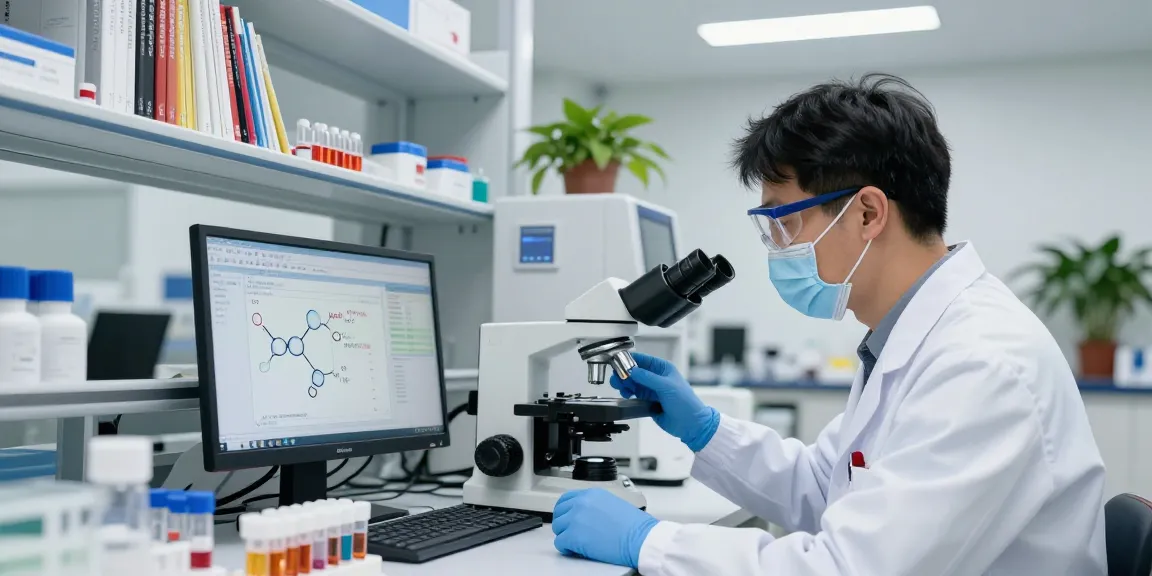
Understanding Copper Peptides and Their Significance
Copper peptides are small chains of amino acids that play a critical role in skin health and cellular function. As research into these compounds progresses, a growing body of evidence supports their essential functions in wound healing, anti-aging, and hair restoration. With an increasing interest in natural and biocompatible ingredients in both therapeutic and cosmetic products, copper peptide research is becoming ever more significant for industry professionals and consumers alike, leading to exciting discoveries regarding their efficacy and potential applications.
What are Copper Peptides?
Copper peptides are naturally occurring biomolecules that consist of copper ions bound to small peptide chains. The most studied copper peptide is GHK-Cu, which has demonstrated numerous biological properties that are beneficial for skin health. These peptides have been shown to promote collagen synthesis, enhance tissue repair, and exert antioxidant effects, making them valuable in both dermatological and cosmetic formulations.
Importance of Copper in Cellular Functions
Copper is an essential trace mineral vital for various biological processes. It plays a key role in enzymatic reactions, iron metabolism, and maintaining strong connective tissues. In the context of skin health, copper peptides can stimulate fibroblast proliferation, which is crucial for the production of collagen and elastin, thereby contributing to skin elasticity and hydration. Furthermore, copper is an integral component in antioxidant enzymes, which help combat oxidative stress—a significant factor in skin aging.
Applications in Therapeutic and Cosmetic Sectors
Copper peptides are gaining traction in both therapeutic and cosmetic sectors due to their multifaceted benefits. In the therapeutic context, they are being researched for their potential to accelerate wound healing and reduce scars. Meanwhile, in the skincare industry, they are increasingly incorporated into anti-aging products, serums, and treatments promising to rejuvenate and restore skin vitality. The versatility of copper peptides makes them a promising ingredient across multiple applications.
Key Benefits of Copper Peptide Research
Enhancing Skin Regeneration and Healing
One of the most acclaimed benefits of copper peptides is their ability to enhance skin regeneration and healing. Studies show that GHK-Cu can significantly accelerate wound healing by promoting the migration and proliferation of keratinocytes and fibroblasts. This not only aids in quicker recovery from injuries but also improves the overall appearance of the skin, helping to minimize scars and blemishes.
Anti-Aging Properties: Fact or Fiction?
Many skincare enthusiasts are intrigued by the anti-aging potential of copper peptides. Research suggests that copper peptides can stimulate collagen and elastin production, which are key components for maintaining youthful skin. Although individual results may vary, the science supports the notion that regular use of products containing copper peptides can lead to noticeable improvements in skin texture and elasticity.
Role in Hair Growth and Repair
Copper peptides are not just limited to skin applications; they also play a significant role in hair health. Some studies indicate that copper peptides can stimulate hair follicle activity, promoting hair growth and preventing hair loss. This has led to their incorporation into various hair care products, including shampoos, conditioners, and topical treatments aimed at enhancing hair density and strength.
Challenges in Conducting Copper Peptide Research
Common Misconceptions About Peptide Efficacy
Despite the promising benefits of copper peptides, several misconceptions surround their efficacy. Many consumers believe that all peptide formulations are effective; however, the presence of copper peptides alone does not guarantee positive outcomes. Variability in product formulation, concentration, and skin compatibility can lead to differing results. Education and clear communication regarding these aspects are essential for accurate understanding.
Technological Limitations and Solutions
Research in copper peptides often faces technological hurdles, including the stability of the peptides in formulations and their penetration ability into the skin. Advances in formulation technology, such as encapsulation and targeted delivery systems, are being explored to overcome these limitations. By improving stability and delivery, these innovations may enhance the effectiveness of copper peptides in various applications.
Ethical Considerations in Scientific Studies
As with any scientific research, ethical considerations play a vital role in copper peptide studies. Ensuring that all experimental protocols comply with ethical standards regarding human and animal testing is imperative. Transparency in research methodologies and reporting is essential to maintain credibility in the scientific community and gain consumer trust.
Best Practices for Copper Peptide Research Implementation
Designing Effective Experiments
Conducting effective research on copper peptides requires careful experimental design. Researchers must consider factors such as sample size, control groups, and appropriate dosages to achieve reliable and reproducible results. Additionally, involving interdisciplinary teams can provide diverse perspectives that enhance the research outcome.
Analyzing and Interpreting Data Accurately
Data analysis and interpretation are critical components of research. Employing robust statistical methods can help researchers draw valid conclusions from their findings. Moreover, understanding the biological implications of the data is crucial to relate the results back to the potential benefits of copper peptide applications.
Collaborative Approaches in Research
Collaboration among institutions, industries, and researchers can accelerate advancements in copper peptide research. Sharing knowledge, resources, and expertise can lead to innovative solutions and breakthroughs that may not be achievable in isolation.
The Future of Copper Peptide Research: Innovations Ahead
Emerging Trends and Breakthroughs in 2026
As we look toward the future, emerging trends indicate a continued growth in copper peptide research. Innovations in biotechnology and materials science are setting the stage for new applications and formulations. Researchers are exploring novel delivery methods, such as microneedles and nanocarriers, which may enhance the efficacy and versatility of copper peptides.
Potential Market Growth and Opportunities
The market for copper peptides is expected to expand significantly as consumer demand for effective skincare and haircare products grows. This presents substantial opportunities for manufacturers to innovate and differentiate their offerings through research-backed formulations that highlight the unique benefits of copper peptides.
Predictions for Clinical Applications in Healthcare
Looking ahead, copper peptides may find their way into clinical applications beyond cosmetic use. Their potential therapeutic benefits, particularly in wound healing and tissue regeneration, could lead to their adoption in healthcare settings. Ongoing studies will be key in uncovering their full therapeutic potential.
What is the impact of copper peptide research on skin health?
Copper peptide research significantly impacts skin health by revealing insights into the mechanisms of skin healing, rejuvenation, and anti-aging processes. As studies continue to evolve, the understanding of how to best utilize these peptides for maximum benefit will deepen.
How do copper peptides differ from other peptides in therapies?
Copper peptides differ from other peptides in therapies primarily due to their unique structure and function. While many peptides have specific roles in signaling or hormonal regulation, copper peptides actively promote skin regeneration and collagen synthesis, making them particularly beneficial for dermal applications.
What are the latest findings in copper peptide efficacy?
Research findings up to 2026 indicate that copper peptides have demonstrated significant efficacy in promoting skin healing, enhancing hair growth, and providing anti-aging effects. Ongoing studies are delving deeper into the mechanisms of action and optimal formulation strategies.
Are there any risks associated with copper peptide treatments?
While copper peptides are generally considered safe, some individuals may experience skin irritation or allergic reactions. It is important for consumers to perform patch tests and consult with dermatological professionals before using products containing copper peptides, particularly if they have sensitive skin.
How can consumers identify quality copper peptide products?
Consumers can identify quality copper peptide products by examining ingredient lists for specific peptides, such as GHK-Cu, and researching the brand’s reputation and product testing. Additionally, looking for clinical studies that back the efficacy of the formulation can help in making informed purchasing decisions.